
News
Reflections by civil society partners: Building resilient communities
08.09.2026
Elīna Grīnhofa, Head of Advocacy
It always starts with people who care enough to act
Resilient communities do not emerge overnight. They are built by people who care about where they live, who are willing to work together, and who believe that they can make a difference. Strong societies are built by the people themselves. Not only by governments and public institutions, but by citizens who see a problem, come together and decide to act.
Latvia’s own history provides a powerful example. After more than five decades of Soviet occupation, Latvia restored its independence at a time when civic participation and people’s ability to shape the future of their society had been severely restricted. Yet the Singing Revolution demonstrated what can happen when people unite around a shared vision.
Thousands came together through peaceful demonstrations, civic movements and cultural initiatives. In 1989, more than a million people across the Baltic states joined hands to form the Baltic Way, sending a powerful message about their shared aspiration for freedom and democracy. It was a striking demonstration of civic power – ordinary people becoming agents of change.
More recently, the solidarity shown across Europe in supporting people fleeing Russia’s war against Ukraine has demonstrated once again how resilient communities respond in times of crisis. Citizens, volunteers and civil society organisations acted quickly, often long before public systems were fully in place, providing practical assistance, housing and a sense of belonging.
This experience remains relevant today, at a time when democracy cannot be taken for granted. Resilience depends on people having the opportunity, confidence and freedom to participate, organise, speak up and work together. Resilient communities are, first and foremost, communities where people trust one another enough to act together.
Across Europe, civil society organisations play a crucial role in building this trust. They bring people together around shared values and help turn concerns into action. Some support families and vulnerable groups, others work with young people, protect the environment, defend human rights, strengthen local communities or create opportunities for people to participate in public life. To continue fulfilling this role, civil society organisations need a supportive environment – including sustainable funding, opportunities to participate in policy-making and recognition as trusted partners in strengthening democratic societies.
Behind every such initiative, there is usually a person who simply thought: Something needs to change. What can I do?
This is where resilience begins.
It may start with neighbours organising to improve their local area, volunteers supporting people in need, young people creating a community initiative, or citizens coming together to advocate for better public policies. These actions may seem small, but together they strengthen something essential: people’s sense that they have a role in shaping their communities and their future.
So, how do we achieve resilient communities in the EU?
We invest in people through civic education and lifelong learning.
We create meaningful opportunities for civic participation at local, national and European levels. We provide sustainable support for civil society organisations so that they can respond to communities’ needs.
We build trust between communities and institutions through openness, dialogue and cooperation. And, most importantly, we make sure that people feel they have both the right and the opportunity to shape the society they live in.
Because resilience is not simply the ability to withstand a crisis. It is the capacity to prepare for them, respond together and emerge stronger.
Dalies:


Saistītas ziņas

News
News
06.10.2026
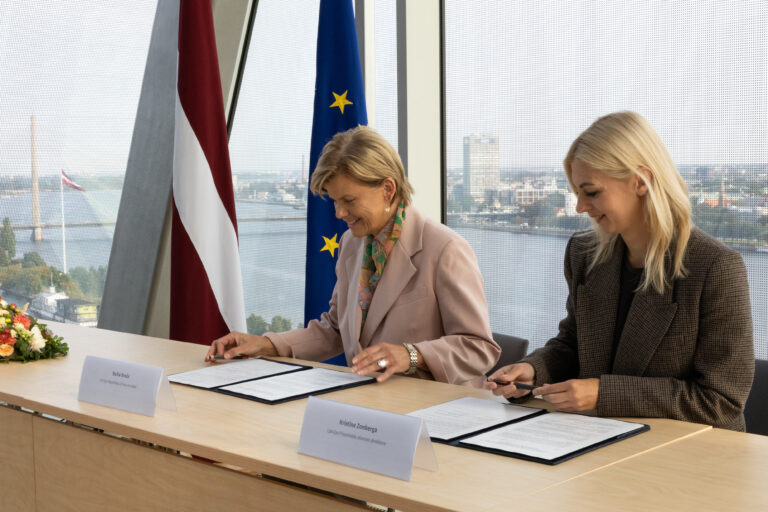
Ministry of Foreign Affairs and Civic Alliance – Latvia agree on civil society participation in Latvia’s presidency of the council of the European Union
Lasīt vairāk
News

News